
7. Crown (Judges-1 Kings 11/1 Chronicles 1-2 Chronicles 9; Psalms, Proverbs, Song of Solomon)
Joshua dies and the nation lapses into a loose confederation of tribes characterized by infighting and the failure to come to the aid of each other when one of the tribes is under attack (see the book of Judges). This continues until the people ask the final judge, Samuel, to appoint a king for them—like the other nations (1 Samuel 8:4ff). Samuel warns Israel about the disadvantages of a king, but they persist in their request. God gives them a king (Saul) and promises to one day give them a King who will reign forever (2 Samuel 7:11ff).
8. Crisis (1 Kings 12-16/2 Chronicles 10-35; Psalms, Isaiah, Hosea; Joel; Amos; Jonah;Michah – somewhere around 1,000 BC)
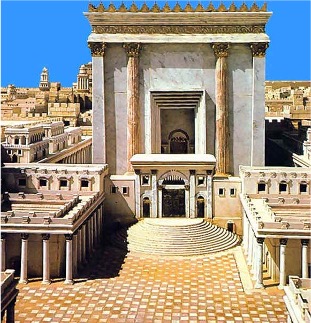
Saul, David, and Solomon rule Israel for over a century. Though there are good and bad times, Israel generally prospers and under Solomon the temple is built. After his death though, his son Rehoboam comes to power and promises harsher policies than his father. This causes a rift in the kingdom as ten northern tribes reject Rehoboam’s rule. He is left to rule the tribes of Judah and Benjamin. They become known as Judah or the southern kingdom. The ten tribes are ruled by Jeroboam and are known as Israel or the northern kingdom. Fearing that the people will return to Jerusalem in the southern kingdom to worship, Jeroboam immediately establishes idol centers in Bethel and Dan (1 Kings 12:26ff).
9. Captivities (2 Kings 17-25/ 2 Chronicles 36; Psalms; Jeremiah; Lamentations; Ezekiel; Daniel; Obadiah; Nahum; Habakkuk; Zephaniah)
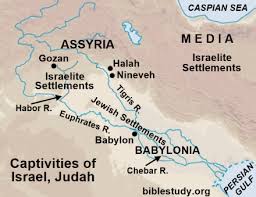
Jesus’ statement, “Every kingdom divided against itself will be ruined, and every city or household divided against itself will not stand” (Matthew 12:25), might have been given as a commentary on this part of Jewish history. About two hundred years after the split, the northern kingdom is invaded by the Assyrians (721 BC). A little over a century later, Nebuchadnezzar and the Babylonians invade the southern kingdom and take them into captivity (586 BC). The writers of these histories make it clear that the captivities occur because the people have been unfaithful to God (2 Kings 17:7ff; 1 Chronicles 5:23ff; 2 Chronicles 36:15ff).
10. Construction (Ezra-Nehemiah/Haggai-Malachi; Ecclesiastes)
The ten tribes of Israel/the northern kingdom never return from their captivity as distinct tribes, but Jeremiah had told Judah that a remnant of the southern kingdom would return after seventy years in Babylon (Jeremiah 25). They make at least three trips back. The first trip was approved by the Persian king, Cyrus, and led by Zerubbabel in 538 BC (Ezra 1). Haggai and Zechariah speak to this group and encourage them in their rebuilding of the temple. A second group returns later under Artaxerxes and is led by Ezra in 458 BC (Ezra 7). The book of Esther fits in between the first and second trips as it deals with events under the reign of Xerxes, father of Artaxerxes. Thirteen years after Ezra’s group returns, Nehemiah leads another group back in 445 BC (Nehemiah 2). The prophet Malachi likely speaks some time after Nehemiah’s group returns and rebuilds the walls of Jerusalem.
11. Coming (Matthew-John)

About four hundred years of prophetic silence stand between the ministries of Malachi and the immerser named John. John is spoken of by Malachi (Malachi 3:1,4:5-6 with Matthew 17:10-13). He is someone but not the One who was the central object of promise and prophesy. That One is Jesus Christ. Jesus is the seed of woman who will crush the serpent (Genesis 3:15). He is Immanuel—God with us. He comes, is rejected and crucified. But death cannot keep Him—God brings Him back from the dead!
12. Churches (Acts)
Those who were close followers of Jesus take the good news of the risen Jesus everywhere and to everyone. They begin in Jerusalem with the Jewish people but soon their message has gone all over (Colossians 1:23). Upon believing and being baptized, people become part of local communities of faith referred to as churches.
13. Correspondence (Romans-Revelation)
These young churches require instruction on what it means to be a follower of Jesus and how they should live. Some letters are written to a single church and deal with a very specific congregational context (both 1 & 2 Corinthians). Other letters written to more than one church and deal with common issues (Galatians). Other letters are written to individuals (Philemon & Titus).

