
1. Creation (Genesis 1-5)
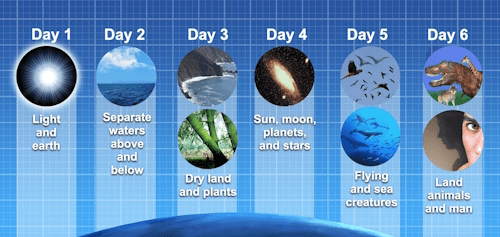
Genesis means “origin” or “beginning”—so that’s what we find in these chapters: the beginning of the universe, humanity, sin and rebellion, and redemption. God speaks the universe into existence—but it is human beings that He makes in His image and gives dominion to (Genesis 1:26-28). Other Scriptures inform us that before the creation of the world there was glory and love within the Godhead (John 17:5, 24) as well as a decision concerning Christ and His sacrifice (1 Peter 1:20ff). That decision is made necessary when man’s sin stains a perfect creation.
2. Cleansing (Genesis 6-9)
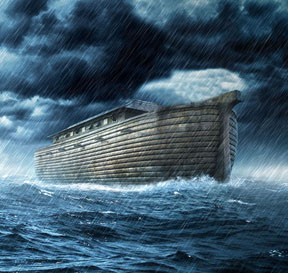
Something supremely sad happens in chapter six—God regrets having made man! “The LORD was grieved that he had made man on the earth, and His heart was filled with pain” (6:6). Why? Because “The LORD saw how great man’s wickedness on the earth had become, and that every inclination of the thoughts of his heart was only evil all the time” (6:5). What a tragedy that man would take God’s gift of creativity and imagination (ways in which we reflect His image) and turn it on himself and others through sin. God brings a flood to cleanse the earth by destroying the world of the wicked (2 Peter 2:5) and purposes to start over again through a man named Noah.
3. Calling (Genesis 10-50/ Job/somewhere around 2,000 BC)
Sadly, the cleansed earth doesn’t stay that way very long. Noah gets intoxicated, one his sons (Ham) engages in wickedness, and by the time we reach Genesis 11 humanity has gone off the rails as a group gathers at Babel in defiance of God. Humanity is back to its ways that brought the flood. But there will be no more floods (9:12-16). God is intent upon rescuing the lost world, so He confuses the people’s languages at Bael and then calls a man named Abram to be blessed and to be His instrument for blessing the world (12:1-3). Later, He will renew this promise to Abraham’s son, Isaac, and after that, to his grandson, Jacob (who is given the name Israel). He then preserves the family in Egypt through one of Jacob’s sons, Joseph.
4. Chains (Exodus 1-11/ somewhere around 1,500 BC)
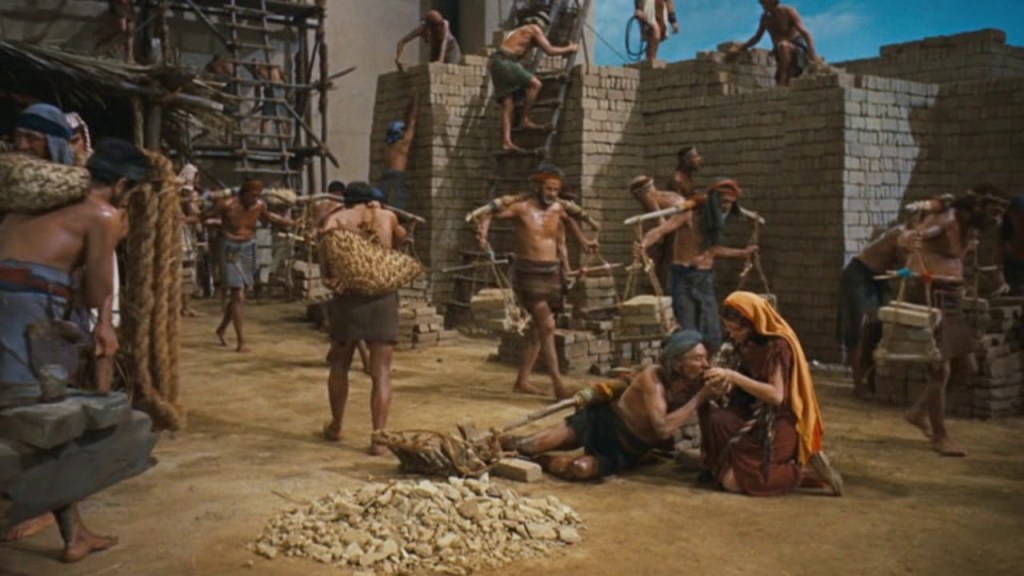
Life in Egypt takes a turn for the worse over the years as the descendants of Israel swell in number and a pharaoh comes to power “to whom Joseph meant nothing” (1:8). The people are subjugated and forced into hard labor. Their pleas go up before God and He raises a deliverer named Moses to lead them out of their bondage.
5. Crossings (Exodus 12-Deuteronomy)
Ten plagues pound down on Pharaoh and Egypt until he finally relents and releases the Israelites. He immediately changes his mind and pursues them as they flee Egypt. God parts the Red Sea for His people to cross and then closes it as Pharaoh and his army try to follow. Israel receives the law at Sinai but spends the next forty years crossing the wilderness between Egypt and Canaan because of their failure to trust God (Numbers 13-14).
6. Conquering (Joshua)
Moses leads Israel to the brink of the promised land of Canaan but dies without entering it (Deuteronomy 32:48-52, 34:1-8). Joshua is appointed as the new leader of Israel. Under his direction, God brings the nation into the land of Canaan. The iniquity of the Canaanites is complete (Genesis 15:16, Leviticus 18:24-28), and as part of God’s judgment upon them their land is given to the Israelites to possess. Faithlessness on their part will cause them to be dispossessed from the land also (Deuteronomy 28).
Click here to finish.

