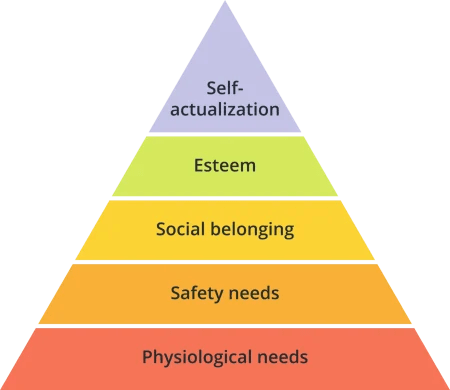
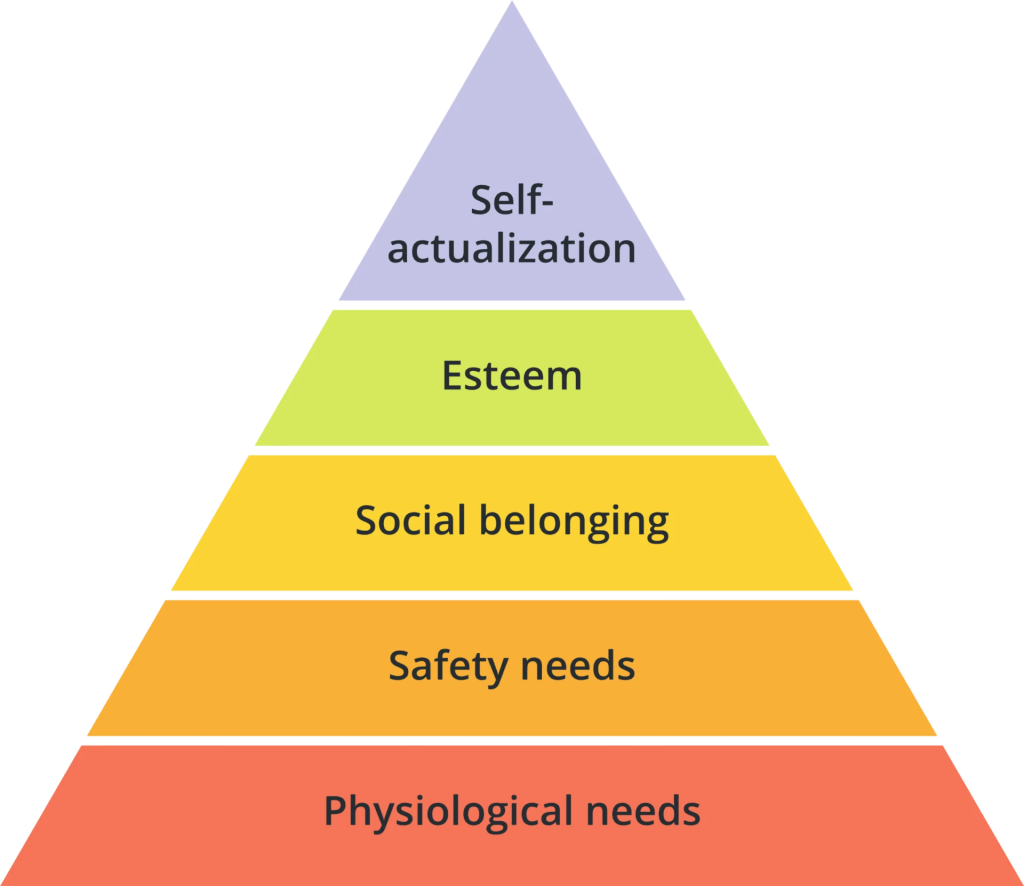
Was Maslow right and self-actualization is the end all of human existence? (Although Maslow later modified the hierarchy, his original version is what he is remembered for). Or was John Lennon right when he said/sang there was no heaven? While Maslow’s apex was individualistic, Lennon’s goal (at least in “Imagine”), was more communitarian (“the world will live as one”). But the question remains (and always will), if humanity’s purpose doesn’t involve God—then what does it involve?
Every generation has its own answers, but the most popular one falls in line with Maslow’s self-actualization—whatever works for you (i.e., your own truth). It might be joining a cult, traveling the world, doing volunteer work, or a thousand other things. The possibilities are endless.
And that’s the rub.
If the possibilities are endless, then we don’t really have time to explore all of them. We just have to go with our best guess. But how do we know that our best guess is good enough? And how do we know our best guess will still look good thirty years from now? Ten years from now? Tomorrow morning? After all, we’re not living in a vacuum. We’re inundated with others sharing their best guesses thereby opening the door to possibilities we hadn’t considered.
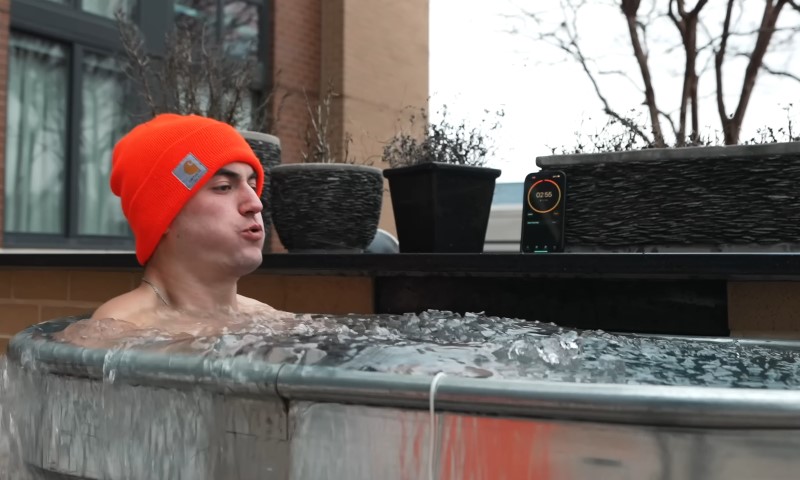
Case in point, Taffy Brodesser-Akner, features writer for The New York Times Magazine. She covers “wellness experimentation” and it sends her on all sorts of “strange missions.” This has led to things like accidentally driving down a volcano, engaging in a multiday juice fast, hypnosis, learning how to make fire with her own hands, and contrast therapy—baking in a 200 degree for 30 minutes and then plunging into a 2-minute ice bath. Have we tried all these?
Credit to her for having the honesty to ask (regarding the contrast therapy), “How do you measure a treatment in the category where the disease you are seeking to cure is … you?” She provided an answer of sorts when she told of her experience in a spa where a woman placed her on a literal throne and told her:
I want to tell you something while you’re here. I want to tell you that your life could be good now. I want to tell you that you don’t have to make it through your problems in order for your life to be good now. I want you to know that you have a power within you that is unique, and that is only yours, and that when you learn how to harness it, you are going to make a real difference in the world. You are really going to change the world, Taffy.
How I cried when she said that. How the 50-year-old version of me is made of all those moments, and now is also made of this cold plunge.
It all sounds like a 21st century version of Qoheleth’s search for meaning and purpose in Ecclesiastes—only the parting words of that book point not to us, but to a higher, transcendent answer—God.
Now all has been heard;
here is the conclusion of the matter:
Fear God and keep his commandments,
for this is the duty of all mankind.
For God will bring every deed into judgment,
including every hidden thing,
whether it is good or evil. (Ecclesiastes 12:13-14)
In the end, that’s our choice. We can trust in what our finite search finds or what our Father has revealed. One may or may not lead to put ourselves on the throne, the other will lead us to fall down before His.

