
One of the things we should notice in Genesis (and the whole of Scripture), is the importance of land. Man has a unique relationship with the earth. He alone is said to come from it (2:7). That being true, we shouldn’t be surprised that land often symbolizes man’s relationship with his Creator. When man is right with his Father, he is right with the earth. When he is not right, it is reflected in the land.
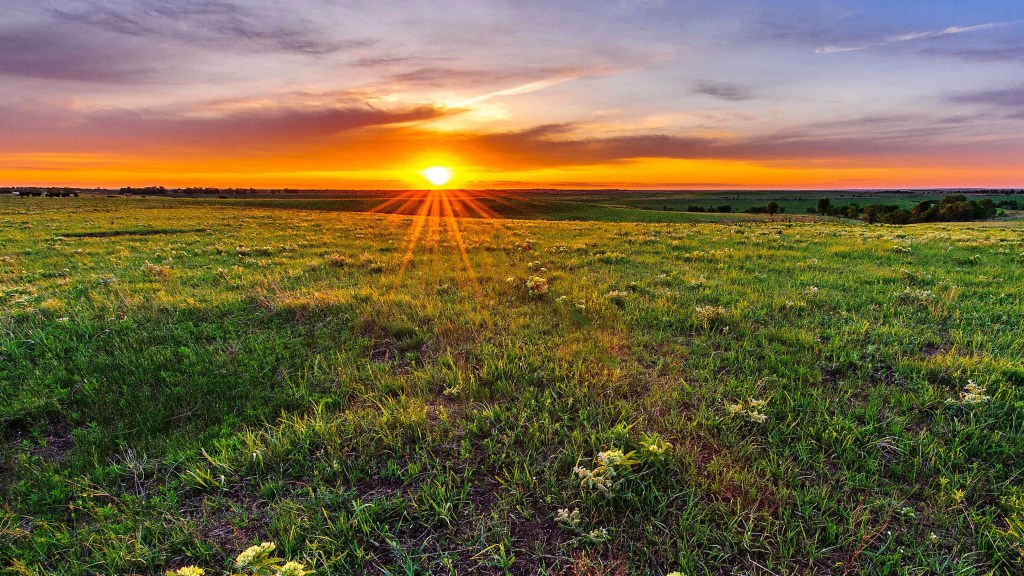
God creates man and places him on a choice parcel of land (a garden paradise). Conversely, when Adam and Eve rebel against Him, they are taken out of the garden and the earth is cursed (2:17ff, 23). Cain kills his brother Abel and his punishment is that he becomes a wanderer—he will have no land at all. The people at Babel are scattered, while faithful Abraham is promised a land for his descendants. This promised land is a sign of God’s blessing, but when Israel later falls into habitual idolatry and disobedience, they are taken from the land into captivity. Later they are blessed by God and restored to the land.
The judgment in Noah’s time is essentially an uncreation (McGuiggan). During creation, water was separated from water to form the earth (1:6-10), but due to man’s wickedness, water once again covers the land. Later judgments, whether they were against Judah (Zephaniah 1:ff), or another nation, like Babylon (Isaiah 13:1,9ff), employ similar imagery not to suggest literal destruction, but to stress that the world of the wicked is being destroyed. Even in metaphor, man’s rebellion is reflected by the land.
I consider that our present sufferings are not worth comparing with the glory that will be revealed in us. For the creation waits in eager expectation for the children of God to be revealed. For the creation was subjected to frustration, not by its own choice, but by the will of the one who subjected it, in hope that the creation itself will be liberated from its bondage to decay and brought into the freedom and glory of the children of God. (Romans 8:18-21)
If we come to this text with something of this background, then what Paul says makes perfect sense. Man and earth share in a fallen state due to man’s sin. We know from this passage and others (like 1 Corinthians 15), that man (in Christ), is headed toward a glorious restoration through the resurrection. Note Paul’s words about “the glory that will be revealed in us” (i.e., via the resurrection). This passage tells us that earth has a similar hope.
What would be the purpose of a restored earth? Would man live on it? I have to admit, the idea of living on a restored part is intriguing when you realize that no one other than Adam and Eve has ever lived on an uncrossed planet. And, it seems there is something about the natural, physical world that we connect with (think of how refreshing it is to be outdoors on a beautiful day or a starry night). But maybe that’s not it, perhaps earth will be restored for memorial purposes—(like the Lord’s Supper)as a reminder to us of our Father’s powerful redemptive love across the course of human history. Or, maybe God has some other purpose for it—I don’t know.

What we do know is this. the land, which gave man his beginning, shares the same trajectory of curse, redemption, hope, and restoration. It’s hard to read about the sabbatical years leading to the Jubilee (Leviticus 25), and not think in terms of the land experiencing redemption pointing toward its ultimate restoration and as the song goes, “earth will keep her Jubilee”—all to the glory of God!

