You can always count on the Olympics for some great stories. But then again, at a global get together of the world’s best athletes occurring only once every four years, the surprise would be if there were no stories—but no one’s ever had to worry about that.
There have been some great stories from the first week of competition, but the one that has stood out to me is the story of Vladyslav Heraskevych—a member of the Ukrainian skeleton sled racing team. Heraskevych was the first Ukrainian ever to participate in skeleton racing in the Olympics in 2018. He was one of the flag bearers for the parade of nations at this year’s games. And he was considered by most to be a medal contender in his event.
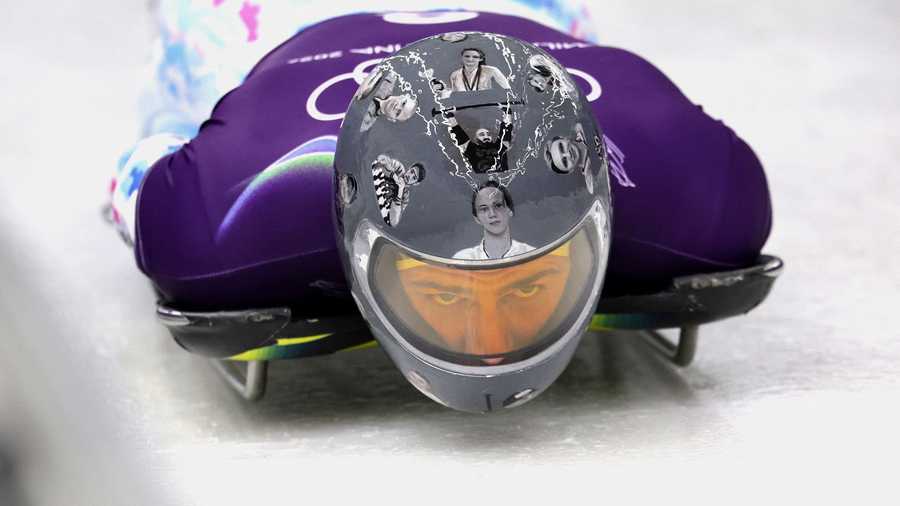
But most people are aware of him because of the helmet he wears when he competes. It bears the images of 24 Ukrainian athletes and coaches who have lost their lives in the war with Russia. The International Olympic Committee ruled that the helmet was in violation of their guidelines. Heraskevych was unwilling to compete without it. He said, “I believe they deserve to be here because of their sacrifice. I want to honor them, and I want to honor their families.”
He was disqualified from the games.
I understand the IOC’s position—they want to keep what they perceive as politics off the track, out of the arena, and away from any of the venues. With Heraskevych in particular, it’s the slippery slope they’re trying to avoid. If anyone could or should be an exception, it’s him. But if they make an exception for him . . . So, I find it hard (or even necessary) to disagree with them.
No, from my perspective this is not about a bad rule, but about a good rule and a better choice—the sacrifice that Heraskevych was willing to make in order to honor his teammates who are unable to be there. He was willing to forfeit his opportunity to compete and potentially medal, for their voices to be heard and remembered. (And if you think about it, all the attention that occurred due to his controversial disqualification garnered far more attention to those teammates and coaches he sought to honor than they ever would have received if he had competed).
I think about the biblical principle of to whom much is given, much is required (Luke 12:48). Heraskevych was given much in the Olympic opportunity he earned—the chance to compete and possibly medal. But rather than choosing to make the moment about him, he made the choice to make it about his fallen teammates and coaches.
I’d say that outshines any medal anyone will be receiving at these games.
 A Taste of Grace with Bruce Green