
Melissa Kirsch writes The Morning newsletter on Saturdays for the NY Times. Because it’s the Saturday edition, her lead piece isn’t about hard news—it’s usually lifestyle oriented. As Kirsch says, “My beat is broadly about how to live a meaningful life.” Saturday’s edition contained this gem:
My retreat into books while on the train is only partly about getting reading done. It’s also about shutting out distraction, on the premise that whatever is happening around me is intrusive, possibly unpleasant, at the very least extraneous to my central purpose, which is getting from A to B. Sitting and just being in space with strangers — whether on public transportation, or in a doctor’s waiting room, or in the audience before the movie starts — instead of retreating into a book or a phone sometimes requires reorientation. Who and what else is here? What if these noise-canceling headphones are keeping me from hearing the actually quite charming voices of the people beside me? If I want to feel more connected to other people, then what’s protective isn’t always productive.
Sunday in our Bible class, we were looking at the model prayer Jesus gave His disciples in Matthew 6:9-14 and thinking about the implications of His instructions to address God as Our Father. The previous week we had talked about the word “Father,” so Sunday we focused on “Our.”
It’s a plural pronoun—not an individual word but a community word. (In fact, there is no “I” in the prayer—but there are 9 plural pronouns). The prayer is saturated in community. It’s a powerful reminder that God isn’t the Father of a few isolated individuals or just those who follow Him—He is the Father of everyone! There are 8.2 billion people on the planet and He is the Father of every one of them. They are all known intimately and loved ultimately by Him.
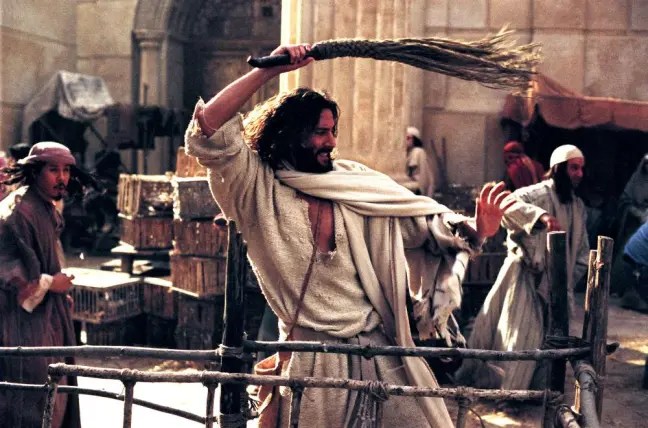
Someone in class said something about what a transforming truth this is and how it really changes how we look at people we don’t know. I think that’s precisely what Jesus is pushing us toward with these words. After all, think of how personally He took it when the merchandisers in the temple hindered the Gentile’s access to the part of the Jewish temple intended for them. God wanted “all nations” to come to Him (see Mark 11:17) and Christ had no patience for those who stood in the way—they were all God’s children!
If God is a God of community, then that’s what we’re to be—and not just buying words like “Our Father.”
This is where Kirsch’s words, “If I want to feel more connected to other people, then what’s protective isn’t always productive” come in. Do we want to live a meaningful life? Start by recognizing everyone on the planet has the same Father and belongs to the same family. (Not everyone is in a covenant relationship with God, but they are nonetheless His children – Hebrews 12:9). In public spaces we need to stop our scrolling, unplug our ears, and open our heart to interact with our family around us.
This is the kingdom vision that comes as a result of opening our lives up to the reign of God.
 A Taste of Grace with Bruce Green