Joshua 5 tells us some important things:
- the Amorite and Canaanite kings of the region heard about how they crossed the Jordan and were shaking in their sandals (v. 1),
- in keeping with the covenant, the men of Israel were circumcised—something they had neglected to do in the desert (v. 2-9),
- they celebrated the Passover (v. 10),
- they ate some produce from the land and the manna stopped falling (v. 11-12).
In these things we see Israel transitioning from a wilderness people to a nation living in the land Yahweh was giving them. As God continued to provide for them, they responded by with a heart-felt observance of His covenant commands. Things were on track for them.
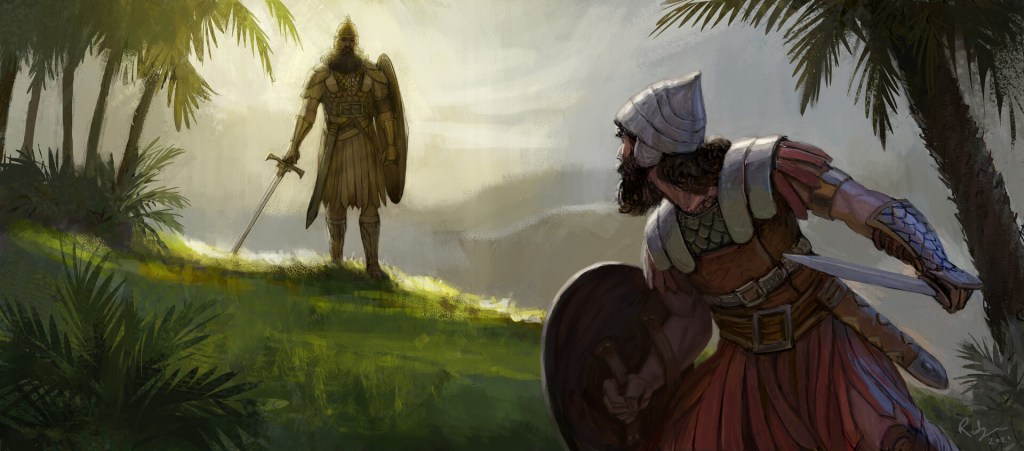
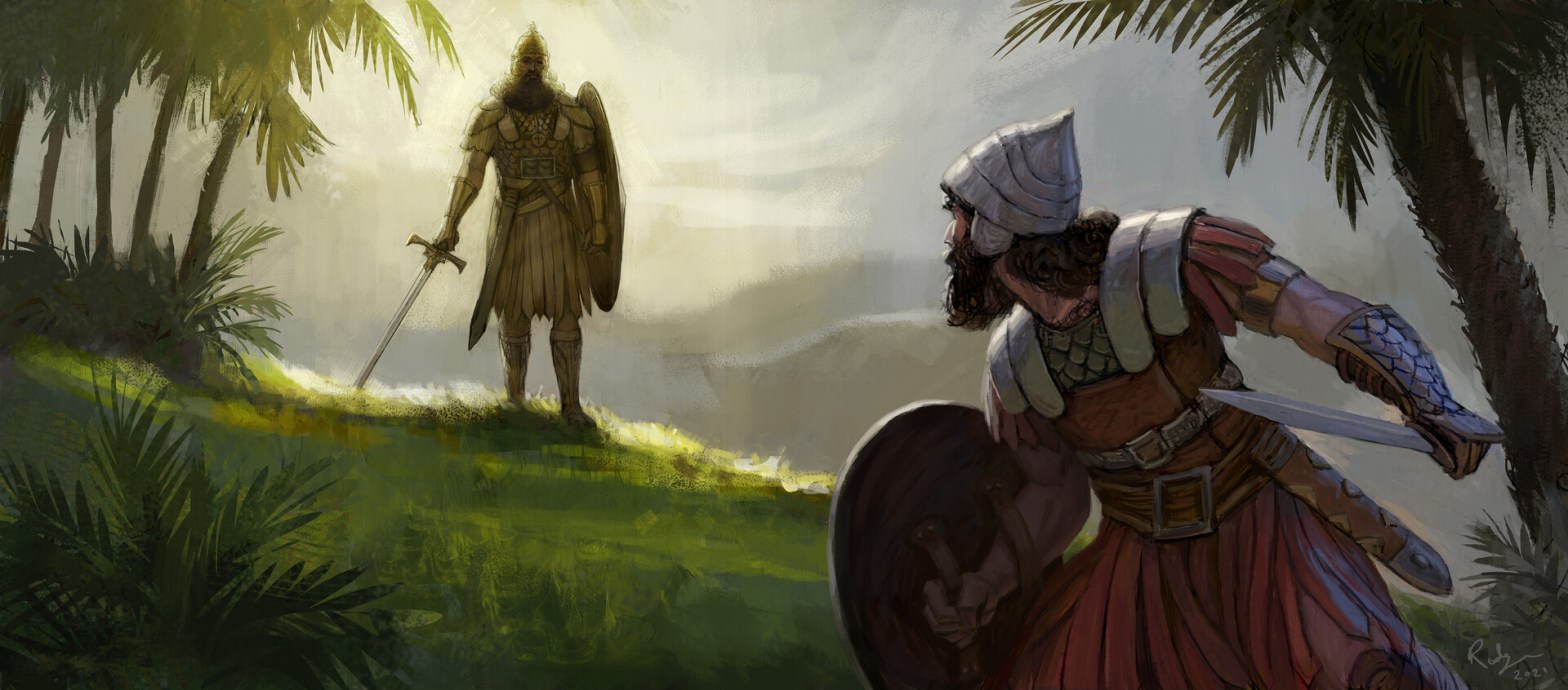
As God prepared them for their initial encounter with the people of Canaan at Jericho, Joshua encountered a man outside Jericho with a sword in his hand. He asked the man if he was for Israel or for their enemies. The man (obviously an angel) identified himself as “commander of the army of the Lord” (v. 14) and told Joshua to take off his sandals because he was standing on holy ground. Joshua complied.
This prelude to the battle of Jericho tells us a couple of important things. First, this incident reminds us that God (not Israel) was in control. The battle belonged to the Lord. The other thing we learn is that Joshua understands this—there’s no argument from him, questions, or comments. With God in control and a leader who understood this, Israel was in good hands.
We see these themes continue in Joshua 6. Though Israel had over half a million fighting men (Numbers 26:51)—that was more than enough to take Jericho (a fortified city). But that wasn’t the tone Yahweh wanted to set. He wanted Israel to rely on Him—not themselves. This was clearly seen in the instructions Yahweh gave for taking the city (v. 2ff).
The ark of the covenant (representing God) was the centerpiece. In front of the ark was an armed guard and seven priests blowing ram’s horn trumpets. Behind the ark was the read guard. They marched around Jericho once a day for six days. And this—beyond the sound of the trumpets—they were silent. They didn’t say anything. There’s power in silence but we wouldn’t know much about that since we are part of a culture where there is always noise going on (much of it mindless).
Then on the seventh day, they marched around the city seven times (evidence that Jericho was not a large city). The seventh time around, the priests gave a long blast of their trumpets, the army shouted, and the walls of Jericho collapsed, and they took the city.
This was a great victory for Israel—but we must see it as more than an isolated military victory at a remote border city. Because it was the first military encounter in Canaan and because of the unique way God chose to conduct it, the battle is filled with rich lessons for us.
 A Taste of Grace with Bruce Green