
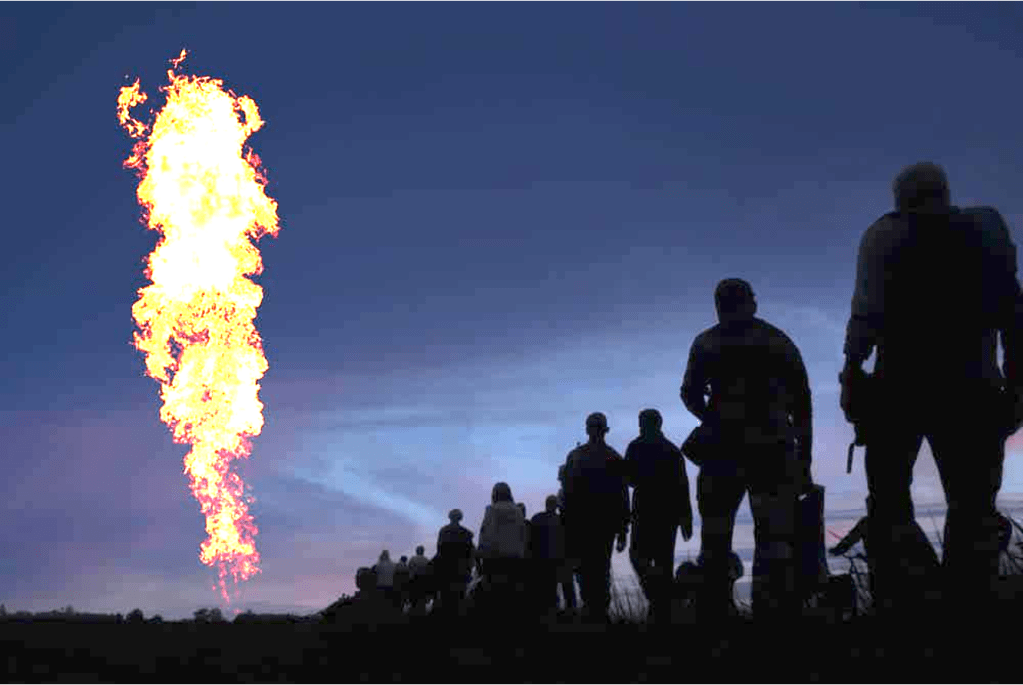
Exodus 13:17-22 is an interesting text. It does what we anticipate—it updates us on the progress of Israel leaving Egypt (they’ve gone from Sukkoth to Etham), but it is also functions as an addendum to supplement the ongoing narrative. As such, it tells us three important things. First, we learn why God led Israel on the route He did (v. 17-18). Next, we’re informed about the bones of Joseph being taken with them (v. 19). Finally, we’re told about the pillar of cloud leading them by day and the pillar of fire by night 21-22).
There was another route that Israel could have taken in leaving Egypt. It would have taken them north rather than south and would have crossed through Philistine territory. It was a shorter route, but also more dangerous as the Philistines were aggressive and militaristic. We’re given insight into God’s thinking as we’re told, “God said, ‘If they face war, they might change their minds and return to Egypt’” (v. 17). We’re not told who God said this to—presumably Moses. The more important point is what we learn about God—we see His concern about His people as the overriding factor in His decision to lead them on the longer route.
God certainly had the power to get His people past the Philistines and into Canaan. But He wasn’t moving freight, He was moving people—His people! He recognized the toll their time in Egypt had taken on them (see 6:9). It had crushed their spirits and all but extinguished their hope. As the wisest of fathers, He understood His children needed mercy and that’s what He gave them. The Psalmist writes:
As a father has compassion on his children,
so the Lord has compassion on those who fear him;
for he knows how we are formed,
he remembers that we are dust. (Psalm 103:13-14).
To keep us from developing a “soft” view of God that paralyzes our spiritual growth, the southern route (the desert) was no picnic! It would test them, but in a different way—one they were capable of handling. In all this, we see God as the wise Teacher—Who knows what tests His students are ready for and the ones that are beyond them.
Connected to this, we are told how God manifested His presence by a pillar of cloud during the day and a pillar of fire by night. He could have simply led by giving Moses directions, but again, He realized His people needed “tangible assurance” (Fretheim) of His presence—and He provided. How reassuring it must have been to wake up in the middle of the night, open the tent flap and see the flickering light of the pillar of fire and know that in the middle of a lifeless desert—God was with you!
Finally, we learn that Moses is transporting the bones of Joseph. When Joseph was about to die, he had requested that his remains be taken to Canaan when his descendants returned there as God had promised they would (Genesis 50:24-26). The Hebrew writer tells us that he did this “by faith”—he believed what God had said about Israel returning to the land and acted upon it (11:21). Even in his death (and after) Joseph was pointing others to God’s promises and His faithfulness. That is a legacy! By honoring Joseph’s request, Moses partnered with him in bearing witness to Yahweh’s great faithfulness.
We learn some powerful lessons from this small section of Exodus.

1. God knows what He is doing even though we may not. I wonder if any of the Israelites complained because God was taking them on the longer route to Canaan. Some of the certainly would have known about the northern route. If anyone did say anything, it would have simply been a case of someone opening their mouth and exposing their ignorance. God knew what He was doing. We can trust our compassionate Father even when we can’t totally understand His ways because . . .
2. God is gracious and merciful towards us. He knows our true needs and takes care of them. He won’t pamper or coddle us (even though we often think and act as it that’s what we really need), because He loves us too much. But He will bless us in the ways we need to be blessed. How great to have a Father like Him!
3. We have opportunities to partner with others (past, present & future) in honoring God. A lot of times it’s easy to look at our involvement with the church (teaching a class, contributing financially, giving someone a ride to services, etc.), as an individual, solo effort. (Especially if we are doing it alone). I think this is an impoverished way to look at what we do.
In everything we do, we are helping build the kingdom. That means we are partnering not only with people in the present—but people from the past and those in the future. Think of it as each generation is building a level of the kingdom. There were lots of levels before us and there will be lots after us. But no one is working solo! We’re partnering with those who’ve gone before and those who will come after. If we will view our work this way, we will not only experience a greater sense of connection and solidarity with others—we’ll appreciate that we are something so much bigger than ourselves.
 A Taste of Grace with Bruce Green