Daniel receives the vision of chapter eight in 550 BC. In the vision, he is in the “citadel of Susa” –the capital of the Medo-Persian kingdom (see Esther 1:1-3). He sees a ram with two horns—with one longer than the other. He is told later the ram represents the kingdom of Medo-Persia (v. 20). The horn that becomes longer is the Persian element of the kingdom that became dominant. (In chapter seven this was symbolized by the bear “raised up on one of its sides” – 7:5). The Medo-Persian kingdom was powerful and for a while (about 200 years) enjoyed world dominion (v. 4).
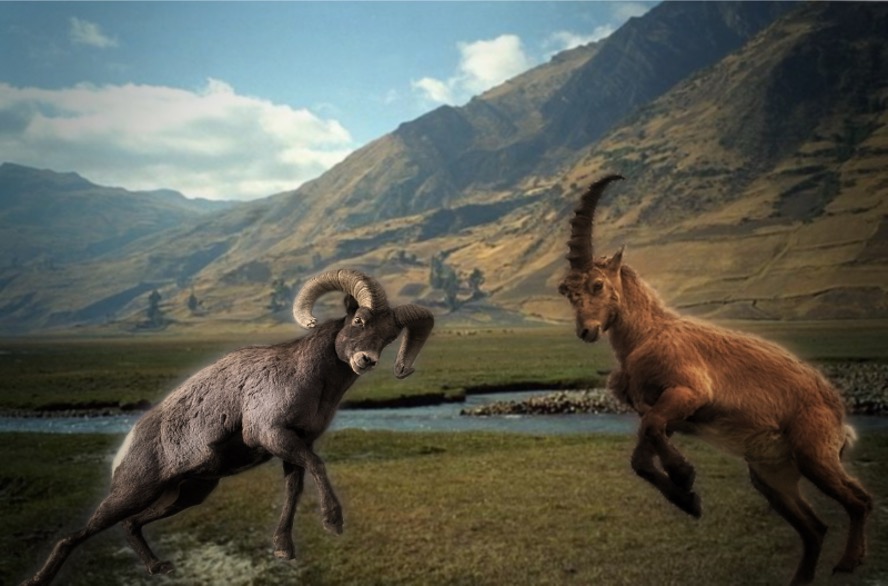
Daniel is contemplating the significance of what he has seen when “a goat with a prominent horn between its eyes comes from the west, crossing the earth without touching the ground” (v. 5). The goat attacks the ram and shatters its two horns, leaving it powerless. This is the Greek empire that rose to power under Alexander the Great (v. 21). He defeats the Persians in 330 BC. By the age of 30, his kingdom stretches from Greece to India. By the age of 33 he is dead from a fever and alcohol poisoning. The man who conquered the world couldn’t conquer himself.
His kingdom is divided among his four generals (v. 22), who were known collectively as the Diadochi. They were Ptolemy, Seleucus, Cassander, and Lysimachus. Their power was diluted. They are the “four prominent horns” of v. 8. From one of those horns (the Seleucids), comes another horn that starts out small but grows in power (v. 9). It sets himself up against the people of God (v. 10, 12-13), and “it took away the daily sacrifice from the Lord, and His sanctuary was thrown down” (v. 11). God allows all this this to happen because of the “rebellion” (v. 12) of His people (see also v. 13, 19, 23). Daniel hears a holy one asks how long it will take for this crime spree to be accomplished. The answer is 2,300 evenings and mornings” (v. 14).
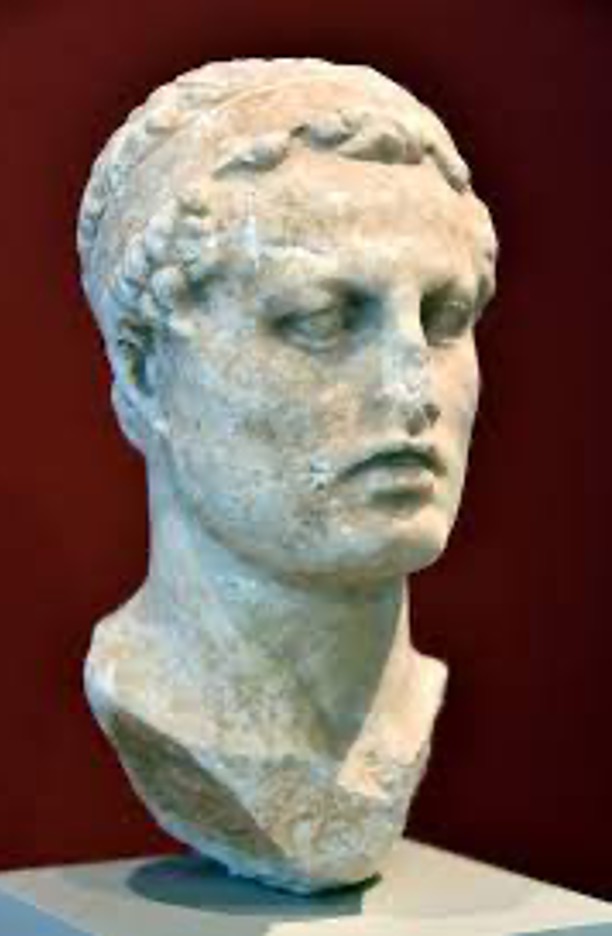
The little horn that starts out small but grows in power is Antiochus IV Epiphanes. Antiochus was one of the Seleucids. He came to power in 175 BC and in 170 BC he began an unprecedented campaign of persecution against the Jewish people. In 167 BC, he desecrated the temple by sacrificing a pig on the altar of burnet offerings and made the priests and other people eat the pig’s flesh. He extinguished the menorah and made possessing a copy of the law or circumcising someone crimes punishable by death. He instituted the worship of Zeus at the temple and turned the temple chambers into brothels. This led to the Maccabean revolt and the rededication of the temple in 164 BC and is commemorated by Hanukkah/The Feast of Dedication (John 10:22ff)..
The 2300 days in the vision is about 6 ½ years (by the Jewish calendar)—close to the amount of time of Antiochus’ crimes against the Jewish people. However, the period is also just short of 7 years—so it’s possible to understand it symbolically (especially since we’re in a section where we have lots of symbolism). Being a little less than seven would represent something that falls short of being complete—because God is in control (see Matthew 24: 22).
Daniel continues to proclaim history ahead of time. But he’s not doing it for the sake of novelty or sensationalism—he wants them (and us) to understand it is only possible because God is sovereign and in control. Because this is true, we know that no matter what appearances might look like—God’s purposes will ultimately prevail.
For the Jewish people of Daniel’s time, this meant that even though they were in exile with no descendant of David on the throne, God was faithful and would keep His promise He had made to them. He would send a descendant who He would rule through forever (see Psalm 89). And in Jesus Christ, that’s exactly what He did!
 A Taste of Grace with Bruce Green